

Summer is ending and fall is approaching, signalling shifts in weather, light, and routine. The refreshing autumn air brings many exciting changes, but it can also affect mood, sleep, and energy levels, particularly for those with existing conditions.
Seasonal Affective Disorder (SAD) is a mood disorder that is characterized as depressive episodes and symptoms that occur in response to seasonal changes in the fall and winter. These episodes often present as low mood, difficulty concentrating, fatigue, low energy, low motivation, and sleep changes and disturbances. Symptoms typically start in the fall or winter and last for two weeks or more.
The rise in depressive symptoms during seasonal changes is thought to stem from several factors, such as decreased sunlight exposure, which can disrupt the body’s internal clock and circadian rhythm and result in vitamin D deficiency. The reduced sunlight may also affect the production of dopamine, serotonin, and melatonin, the chemical messengers that impact brain functioning. Additionally, the colder, darker environment and the emotional stress related to upcoming holidays and family dynamics may further contribute to the development of the disorder.
SAD seems to occur during the months of January and February, but symptoms can last 4-5 months which can make it very challenging for individuals especially those with ADHD due to existing challenges and biological predispositions.

The SAD and ADHD Connection
If you are diagnosed or suspect you have ADHD and you notice intensified symptoms in the fall and winter, it’s not coincidental. Research shows there is a strong relationship between SAD and ADHD, with overlapping symptoms. It is well known that neurochemical imbalances, along with genetic and environmental factors, are key contributors to ADHD and its interactions with other disorders. One clear connection between SAD and ADHD is the role they both play in causing irregular sleeping patterns and disrupted circadian rhythms. Seasonal depression often occurs in those who are late sleepers due to delayed circadian rhythms. Individuals with ADHD tend to have a delayed sleep onset time and commonly have trouble waking up in the morning. The reduction of sunlight in the fall and winter can further alter sleep patterns and intensify ADHD symptoms. Every sleep disorder is also more frequently comorbid with ADHD and the consequences of disrupted and low-quality sleep also contributes to worsened symptoms of ADHD which can be exacerbated in the fall and winter.
Neurochemical imbalances in dopamine, melatonin and serotonin also play a role in the connection between SAD and ADHD. These are chemical messengers that serve to regulate important brain functions. Dopamine and Serotonin known as “feel good hormones,” influence mood, pleasure, motivation, and cognition. They also play a role in regulating sleep and digestion. Melatonin is known as “the sleep hormone” that helps regulate sleep and our internal 24-hour clock (circadian rhythm), and its release is triggered by darkness. Reduced daylight and earlier sunsets lead to decreased serotonin and affect dopamine production. Since dysregulated dopamine levels are linked to ADHD, changes in light exposure further connect SAD and ADHD. Additionally, seasonal shifts and increased darkness trigger earlier melatonin release, resulting in increased fatigue and daytime sleepiness.
To summarize, daylight triggers serotonin and dopamine to release, while darkness triggers melatonin. When we are exposed to daylight in the morning, it sets our circadian rhythm. If we are seeing less sunlight, our circadian rhythm becomes disrupted and impacts our sleep which in turn impacts our overall functioning. When you have ADHD, these hormones are already dysregulated so there are pre-existing issues that are exacerbated by the seasonal adjustment. When SAD and ADHD co-occur, the symptoms overlap and cause a myriad of challenges. The difficulty initiating work and staying motivated can further be intensified by low moods and feelings of fatigue caused by SAD. SAD symptoms may amplify and exacerbate existing experiences of ADHD.The gloomier autumn and winter months often result in less outdoor activity which can also impact ADHD symptoms and symptom management due to reduced stimulation.
Other mood disorders frequently comorbid with ADHD may further increase vulnerability to experience seasonal depression. Another fact to take note of is that women and individuals who menstruate are said to be more affected by SAD which may be due to fluctuations in female reproductive hormones like estrogen which interact and impact serotonin levels further. We also know that women are more likely to be living with undiagnosed and untreated or late diagnosed ADHD which can mean they are even more vulnerable to the impact of seasonal depression.
Considerations for coping with Seasonal Depression
If you have ADHD and experience SAD, it may be important to start implementing different lifestyle changes and exploring other treatments to help cope with the upcoming seasonal shift. Many of the treatments and strategies for managing ADHD align with those for SAD unsurprisingly.
In addition to obtaining therapeutic support, consider the following:
Light Therapy
Since changes in daylight seem to play a key role in SAD, it is important to get exposure to light during the day to help regulate your biological clock and aid in improved sleep, energy levels, and mood. It is often helpful to get more time outside in the daylight or ensure your home and work environments receive more sunlight through windows. Time outdoors or “green time” has also been shown to improve ADHD symptoms. If getting outside during this time isn’t possible, one treatment that has been known to improve symptoms of SAD is phototherapy or bright light therapy to help regulate serotonin levels and reset circadian rhythms.
Exposure to either sunlight or bright light can help regulate serotonin levels. There are also bright light boxes that can be used at home. Doing so can help reset your biological clock and keep you synchronized if you find you get up later in the fall/winter or start to notice an onset of worsening symptoms. Make sure to check with your doctor first since this is a treatment.

Sleep Hygiene and Chronotherapy
Chronotherapy is another SAD treatment that works to reset the biological clock to improve the sleep-wake cycle and aid in improved mood using sleep hygiene practices, timed light exposure and the use of melatonin supplements to help combat the disruption of the sleep cycle when the weather changes.
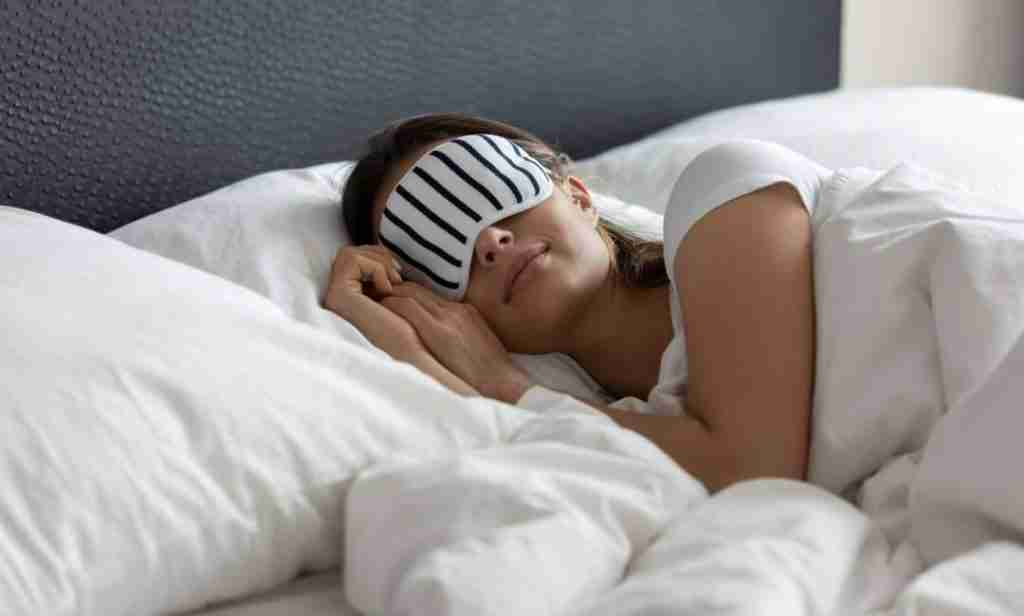
Sleep hygiene consists of reducing exposure to screens and blue lights at night (usage of orange goggles to cut blue light can also be helpful), getting into a consistent nighttime and morning routine, making sure your bedroom is conducive to sleep, and becoming aware of other zeitgeber for sleep. Chronotherapy has also been known to improve ADHD symptoms by regulating sleep cycles.
Nutrition
What we consume has a significant impact on how our brains perform, influencing cognition, sleep, and mood. Just as weather changes prompt us to alter how we dress to protect against the elements, diet adjustments may be just as important. Although there isn’t a specific diet that has been shown to prevent SAD or eliminate symptoms, there are some foods and supplements that may be helpful in managing seasonal depression and enhance overall mental health. These foods are also implicated in improved ADHD symptoms. Foods high in protein can improve brain functioning by providing the amino acids that make up the essential neurotransmitters mentioned earlier. Eating animal protein rich foods high in tryptophan can help our brains achieve that. Diets that are high in fiber, probiotics, healthy fats, and Omega 3 fatty acids are important for brain function. Omega 3s have been found to potentially improve symptoms of SAD due to their anti-inflammatory properties. Fall staples like sweet potatoes, beets and carrots are also great for stabilizing blood sugar and providing essential vitamins and fiber.

Some other supplements to explore adding into your diet is vitamin D. As mentioned, vitamin D is usually obtained from the sunlight and plays a role in activating serotonin. When we get less hours of daylight, we may see a decline in our vitamin D which can contribute to SAD symptoms. When the weather grows colder it is common for us to gravitate to high carb foods and sugar/sweets which may be comforting but, in excess, don’t help alleviate depressive symptoms. Therefore, some other changes you can focus on implementing in the fall/winter include less consumption of highly processed foods, foods high in sugar, and maybe limit caffeine and alcohol.
You may want to discuss more with a registered dietician and enlist their support to know what’s best for you. Finally, if you are taking medication for ADHD, it may be helpful to discuss with your doctor about adjusting your dosage to help manage symptoms that may worsen during this time.
Physical Activity/Exercise

You have probably heard this before, but physical activity is a natural way to boost both dopamine and serotonin, making you feel better. Regular exercise especially in the mornings can help regulate circadian rhythms and boost your mood. Even lower impact activities like walking and dancing can be helpful for SAD. Gentle stretching and yoga might be a good way to implement movement gradually as well, especially when the weather changes can reduce motivation. When the weather changes it may be more difficult to get outside but physical activity while outdoors is always recommended. Any physical movement is better than none!
Environment and Support Systems

Structured, positive, and supportive environments at home, school and work are important to our mental health always but can also help ease seasonal symptoms. Consistency and timed activities and hangouts with friends may be important to implement. Winter may be more difficult to find opportunities to get together with friends and loved ones so it’s important to intentionally increase time with your support systems and proactively plan get-togethers. Support and understanding from friends and family can provide emotional support needed to manage the challenges of ADHD further intensified by SAD. It might be time to schedule more sessions with your therapist at this time for additional support as well.
If you live with ADHD you probably know these things already: the importance of a balanced diet, movement, sleep, and connection. You’ve likely heard this several times. Maybe you didn’t know why it’s so much harder at this time of year. Maybe you didn’t realize the impact it had on you.
It might not be a matter of adding more to your plate this coming season and implementing all these components into your routine, but offloading your executive functions which might be at lower capacity at this time, and finding ways to meet your needs that works best for you.
If it’s too hard to meet these needs maybe, it’s time to take a closer look at why. Is it unrealistic expectations? Taking on too much? Sometimes slowing down and getting curious about what the block is can be the most important piece (an ADHD specialized therapist can help with that!). Spending the time to bring awareness to and address the block can help you tailor your life to suit your unique needs.
Further, managing your expectations and being gentle and compassionate with yourself during this time as you adjust to the new season is important to avoid internalizing these struggles. These changes make a real impact on your health, and its important to recognize your capacity all the time but especially during this kind of transition.
Take a lesson from nature: fall and winter are typically when every living creature and plant go into rest and recover during the fall and winter seasons. Humans are the only species in nature that don’t follow this rhythm. In fact, winter may be the busiest time for us with the holidays and the establishment of New Year’s resolutions in January has created an expectation for us to push ourselves even harder to achieve and be productive. Nothing is wrong with aiming to achieve our goals but working with our natural rhythms and capacities and taking time to slow down and rest can be beneficial for our overall well-being especially if you are neurodivergent.
TL;DR: “Thriving Through the Seasons: Coping with Seasonal Depression and ADHD”

The article explores the interplay between SAD and ADHD, highlighting shared challenges like disrupted sleep and neurochemical imbalances that come with seasonal changes.  The author discusses how reduced sunlight impacts dopamine, serotonin, and melatonin levels, intensifying ADHD symptoms such as fatigue and low motivation.  Advocating for managing expectations and aligning with natural rhythms to prioritize rest and well-being during seasonal transitions.
Looking for 1:1 support?
References
ADDitude. (2023, February 22). Seasonal affective disorder: Understanding the link between depression and ADHD [Webinar]. https://www.additudemag.com/webinar/seasonal-affective-disorder-depression-adhd/
ADDitude. (n.d.). Can the right diet ease ADD symptoms? https://www.additudemag.com/can-the-right-diet-ease-add-symptoms/
Amons, P.J., et al. “ADHD, Circadian Rhythms and Seasonality.” Journal of Psychiatric Research, Pergamon, 27 June 2016, www.sciencedirect.com/science/article/abs/pii/S002239561630125X?via%3Dihu b.
Gordon, R. (2018, October 30). Seasonal affective disorder affects women more than men. University of Utah Health. https://healthcare.utah.edu/the-scope/health-library/all/2018/10/seasonal-affective-disorder-affects-women-more-men
Medical News Today. (2023, February 6). What are the differences between serotonin and dopamine. https://www.medicalnewstoday.com/articles/326090
Rothenberg, M., Nussbaumer-Streit, B., Pjrek, E., & Winkler, D. (2024). Lifestyle modification as intervention for seasonal affective disorder: a systematic review. Journal of Psychiatric Research.
Wynchank, Dora S.; Bijlenga, Denise; Lamers, Femke; Bron, Tannetje I.; Winthorst, Wim H.; Vogel, Suzan W.; Penninx, Brenda W.; Beekman, Aartjan T.; Kooij, J. Sandra . (2016). ADHD, circadian rhythms and seasonality. Journal of Psychiatric Research, 8(1), 87–94. doi:10.1016/j.jpsychires.2016
Yang, Y., Zhang, S., Zhang, X., Xu, Y., Cheng, J., & Yang, X. (2020). The role of diet, eating behavior, and nutrition intervention in seasonal affective disorder: A systematic review. Frontiers in Psychology, 11, 1451.
