

If you live with ADHD, you likely know how difficult it can be to get a good night’s sleep.
What many people do not realize is that ADHD and sleep problems often go hand in hand. Research suggests that between 25 percent and 50 percent of individuals with ADHD experience sleep disturbances. These can include:
- insomnia,
- delayed sleep phase syndrome,
- restless legs, and
- sleep apnea.
This is not just a minor inconvenience. Poor sleep can significantly worsen ADHD symptoms, making it harder to focus, regulate emotions, and stay organized. Over time, this creates a frustrating cycle. ADHD makes sleep harder, and lack of sleep intensifies ADHD symptoms.

ADHD is characterized by inattention, hyperactivity, and impulsivity. It’s the manifestation of these traits throughout your day that can interfere with the ability to wind down at night. Many individuals describe a racing mind at bedtime, where thoughts become more active just as the body is supposed to rest. Others struggle with inconsistent sleep schedules, late night bursts or productivity, or feeling wired when it is time to rest.
The good news is that there are effective strategies to improve sleep, even with ADHD:
Consistency is one of the most important factors.
Going to bed and waking up at the same time every day, including weekends, helps regulate your body’s internal clock. While it may feel tempting to sleep in after a poor night, doing so can make sleep difficulties worse over time.
Your sleep environment also matters.
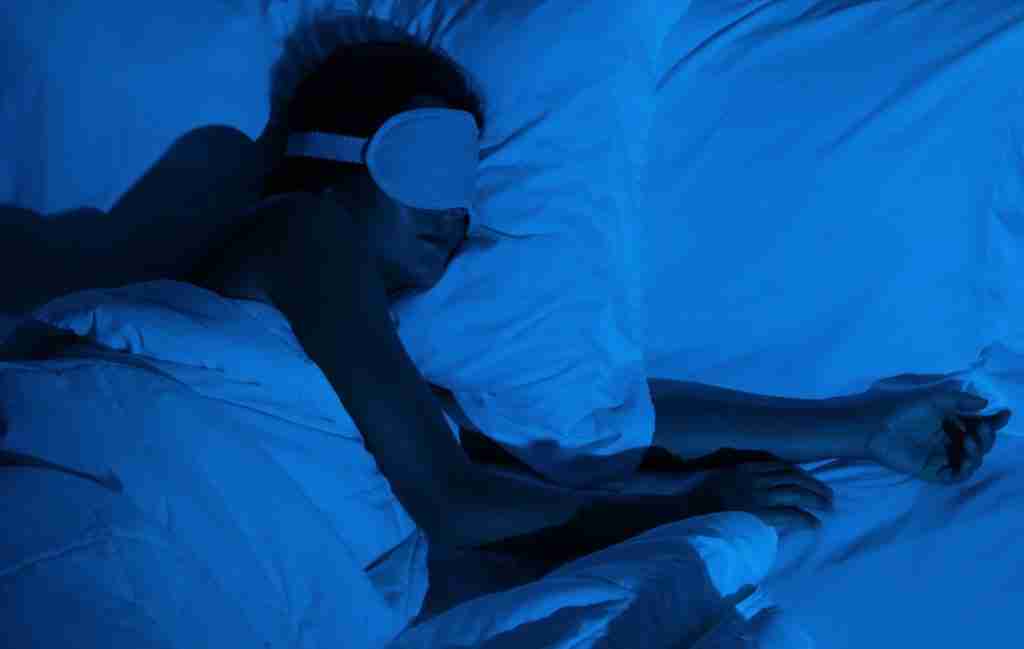
The bed should be a calm; stress free space used only for sleep and intimacy. This helps train the brain to associate the bed with rest rather than wakefulness or worry. Keeping your bedroom cool, dark, and quiet can further support quality sleep.
Daytime habits play a bigger role than many people realize.
Regular physical activity and exposure to natural light help strengthen your sleep wake cycle and increase your natural drive for sleep at night. At the same time, limiting naps, especially in the afternoon, can prevent interference with nighttime sleep.
Creating a calming bedtime routine can make a meaningful difference.

This might include reading, taking a warm bath, gentle stretching, or spending quiet time with a pet. The goal is to signal to your brain that it is time to slow down. Reducing screen time before bed is also important, as the light from devices and the stimulation they provide can make it harder to fall asleep.
Caffeine deserves special attention.

Because individuals with ADHD may already struggle with restlessness and mental overactivity, consuming caffeine later in the day can amplify these effects. This can lead to difficulty falling asleep and more fragmented rest. It can also increase nighttime awakenings, including trips to the bathroom.
Even with strong habits, some individuals will continue to struggle.
If sleep problems persist, or if you experience ongoing daytime fatigue, irritability, or difficulty concentrating, it is important to seek professional treatment. A healthcare provider can assess for underlying sleep disorders, review medications that may be affecting sleep, and recommend appropriate treatment.
One highly effective option is cognitive behavioural therapy for insomnia, often referred to as CBT-I. This evidence-based approach helps individuals change unhelpful thoughts about sleep, establish consistent routines, and build healthier sleep patterns over time.
It is also important to recognize that ADHD medications can influence sleep in different ways. For some individuals, stimulant medications may delay sleep onset if taken too late in the day. For others, properly timed treatment can improve sleep by reducing daytime symptoms and mental restlessness. Check with health care provider to see if changes in your stimulant can help your sleep.
Ultimately, sleep is not a luxury.
It is a foundation for mental health and daily functioning. Improving sleep can lead to better focus, emotional stability, and overall quality of life for individuals with ADHD.
If your mind will not shut off at night, you are not alone and you are not stuck. With the right strategies and support, better sleep is possible. Small, consistent steps can lead to meaningful improvements over time.
If you need additional support, or you are someone with unique circumstances, such as being a shift worker, or a first responder, consider connecting with a Nurse Practitioner who specializes in ADHD and sleep at Dig A Little Deeper Psychotherapy and Counselling.
