

By: Sabrina Belo, Clinical Counsellor, Certified Conscious Method Parenting Coach
It’s interesting to bear witness to the incredible change in the dynamics of our families, when parents shift their thoughts from fear of a “label,”(or belief that it is a ‘weakness’) to a state of confidence and empowerment.
This world at times, can be cruel and unfair under the conditioning of judgment. Because of this judgment, stigma is created and unfortunately, in choosing not to see, we then fail to see, or pursue, what our child is showing us.
We subtly become separated from those instincts we are so beautifully gifted with and our fear of ‘needing help’, receiving a formal diagnosis, having conversations about feelings, thoughts and emotions, become foreign and uncomfortable.
Things we hear, things we see, create doubt. This creates the context of feeling more and more threatened, our trust and sense of safety in systems and in people begins to crumble.
How can we have faith and trust in anything if we cannot trust ourselves?

Our personal experiences, including those of our childhood, influence positively and negatively, our children’s experiences.
First, I will say, I have yet to meet a parent who doesn’t have good intentions for their kids.
However, good intentions are not always neatly aligned with fundamental values; instead parents start to believe the exchange of love comes through actions and testaments like,
“I give you everything”
“I drive you everywhere”
“I have to defend you and get involved”
“I’m sorry I yelled at you but ___”
“I have to protect you (so I’m going to control you)”.
Sound familiar at all?

While all of those emotions are valid, everyone’s threshold for tolerating perceived risk is different. When we are not grounded or centred ourselves, we fail to be objective about how far is too far?
We can easily lose sight of the unique needs of our kids and prioritize our own fears.
Parents, when your gut is guiding you to open your eyes, face the fears and see your child’s behaviour as an indicator that something is happening inside your child’s domain, trust it.
Begin finding support for yourself, so that you can support your child.
The more I work with parents managing ADHD in their homes, the more they realize the many recommended strategies and tools (like parents leading by demonstrating their own skills in setting up the task lists, setting reminders, breaking down projects, getting proper sleep, staying hydrated, etc.), combined with their physician’s recommendations, are proven to be really helpful (if we can all stick to them!).
The more the whole family shifts into a positive home environment, the more each family member enjoys a healthier and satisfying connection.
Everyone’s quality of life increases.

Parents communicate ‘how to be’ in more ways than one
With neuroception, the way our nervous systems process safety, danger and threat, children see Mom or Dad’s (or stepparents) perception of life and that creates their experience.
So when parents shift their beliefs and navigate with awareness and a fluid response to life’s experiences, kids have a chance to see their parent firmly anchored, in a place of trust.
The child sees less anger, frustration and feels more acceptance.
When we open our minds to seeing what we call “misbehaviour” as stress behaviour, we see an entirely new child. When we can meet the needs of our children because we fear less, our children feel safe in their own skin, in who they are.
You may be surprised to hear how many kids say “Thanks for not being afraid. Now that I understand myself better, knowing I have ADHD helps me see why I felt like I didn’t fit in.”
When we normalize the human experience, that is how we defeat stigma, and live a freer, more connected life.
Continue to learn more about what we know about Parenting styles, ADHD and family life, on our ADHD & Parenting page in The ADHD Resource Hub.
Check out our most recommended books for parents
- The Conscious parent: transforming ourselves, empowering our children by Shefali Tsabry, PhD
- The Awakened family: A revolution in parenting by Shefali Tsabry, PhD.
- Smart but Scattered Teens: The “Executive Skills” Program for Helping Teens Reach Their Potential. by Richard Guare, Peg Dawson, Colin Guare
- Smart but Scattered: The Revolutionary “Executive Skills” Approach to Helping Kids Reach Their Potential by Peg Dawson, PhD and Richard Guare, PhD.
- Taking Charge of ADHD, 3rd Edition: The Complete Authoritative Guide for Parents by Russell Barkely, PhD.
- (not a parenting books specifically, but a helpful perspective for families) ADHD: A Hunter in a Farmer’s World, by Thom Hartmann.
Christina’s DIY*ADHD online course for parents
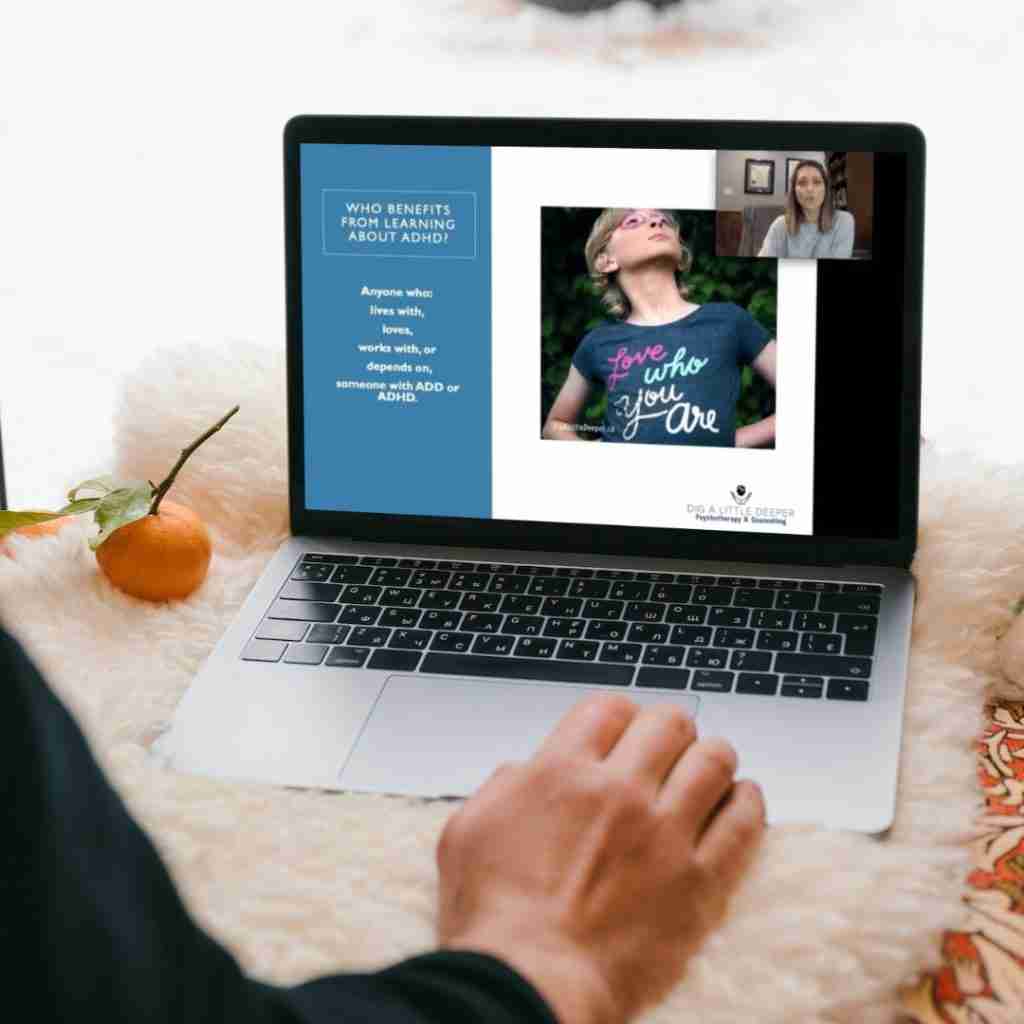
DIY*ADHD walks you through:
- What you need to know in the first year after diagnosis,
- How to not totally lose your mind,
- How to transform your family’s and/or your experience with ADHD

2 thoughts on “How an ADHD Diagnosis Can Transform Family Life: Healing, Insight, and Connection”
However good intentions are not always neatly aligned with fundamental values; instead parents start to believe the exchange of love comes through actions and testaments like, Thank you for taking the time to write a great post!
Receiving a formal diagnosis, having conversations about feelings, thoughts and emotions, become foreign and uncomfortable. Thank you for taking the time to write a great post!